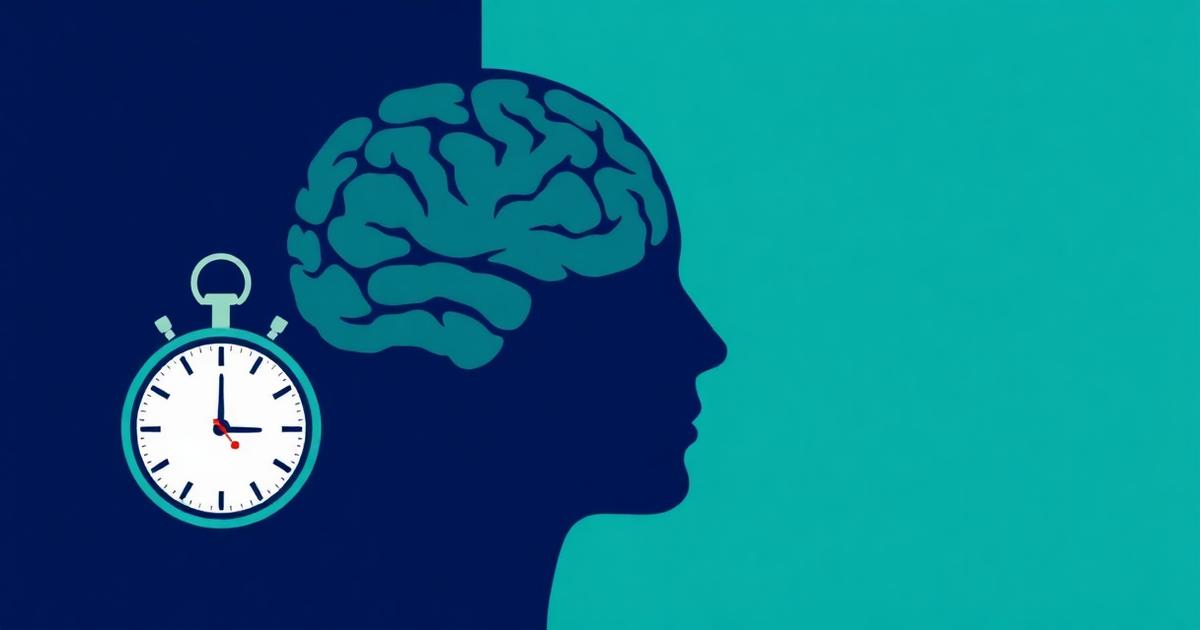
A stroke is a medical emergency. Every minute that brain tissue is deprived of blood, roughly 1.9 million neurons die. The faster a patient reaches a stroke-ready hospital, the better the chance of recovery — often complete recovery.
What does BE-FAST stand for?
- B — Balance: sudden loss of balance or coordination
- E — Eyes: sudden blurred, double or lost vision in one or both eyes
- F — Face: one side of the face droops when the person smiles
- A — Arm: one arm drifts down when both are raised
- S — Speech: slurred, strange or absent speech
- T — Time: note the time symptoms started and call for help immediately
What to do while waiting for help
- Lay the person on their side with the head slightly elevated
- Do not give food, water or medication
- Note the exact time symptoms began — this decides treatment
- Take them directly to a hospital with a CT scan and stroke unit
Prevention matters more than cure
Controlling blood pressure, diabetes and cholesterol, quitting smoking, and treating atrial fibrillation prevent the majority of strokes. If you have any of these risk factors, a neurology consultation can guide personalised prevention.
Not a substitute for medical advice
This article is for education only. For a diagnosis or treatment plan tailored to your case, please book a consultation with Dr. Ankush Sharma.