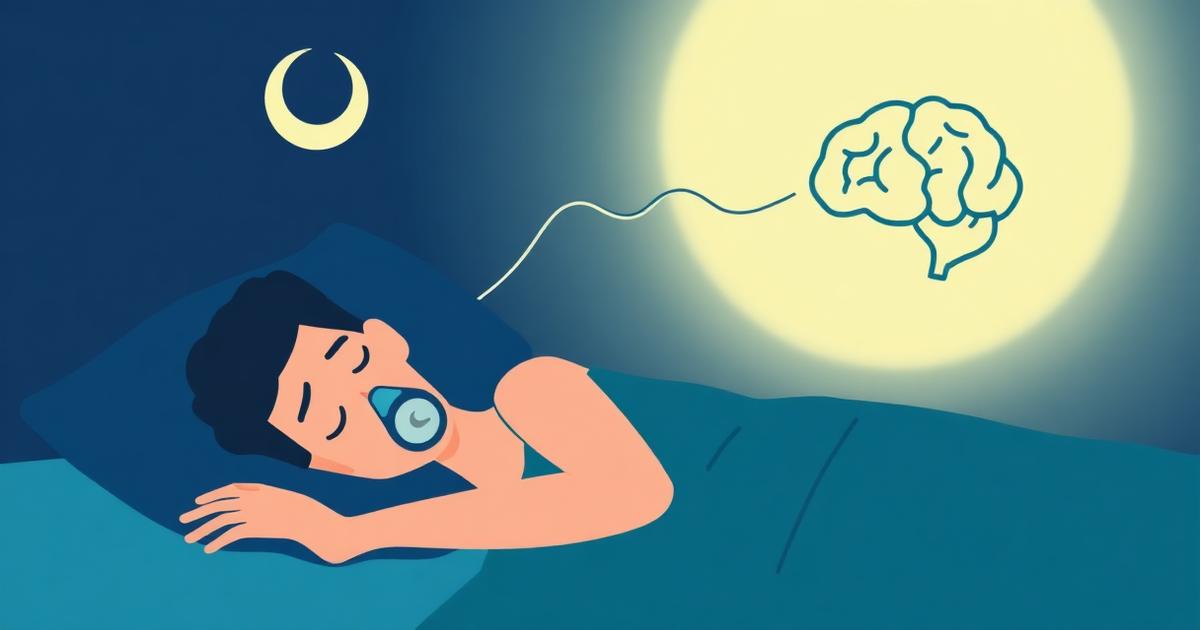
Obstructive sleep apnea (OSA) is a repeated collapse of the upper airway during sleep. It fragments sleep, drops oxygen levels and stresses the cardiovascular system night after night.
Warning signs
- Loud, habitual snoring
- Witnessed pauses in breathing during sleep
- Morning headaches and dry mouth
- Excessive daytime sleepiness or falling asleep while driving
- Poor concentration and memory
Why a neurologist?
Untreated OSA nearly doubles the risk of stroke and accelerates cognitive decline. A sleep study confirms the diagnosis; CPAP therapy, weight loss and, in some cases, positional or surgical treatment reverse most of the risk.
Not a substitute for medical advice
This article is for education only. For a diagnosis or treatment plan tailored to your case, please book a consultation with Dr. Ankush Sharma.