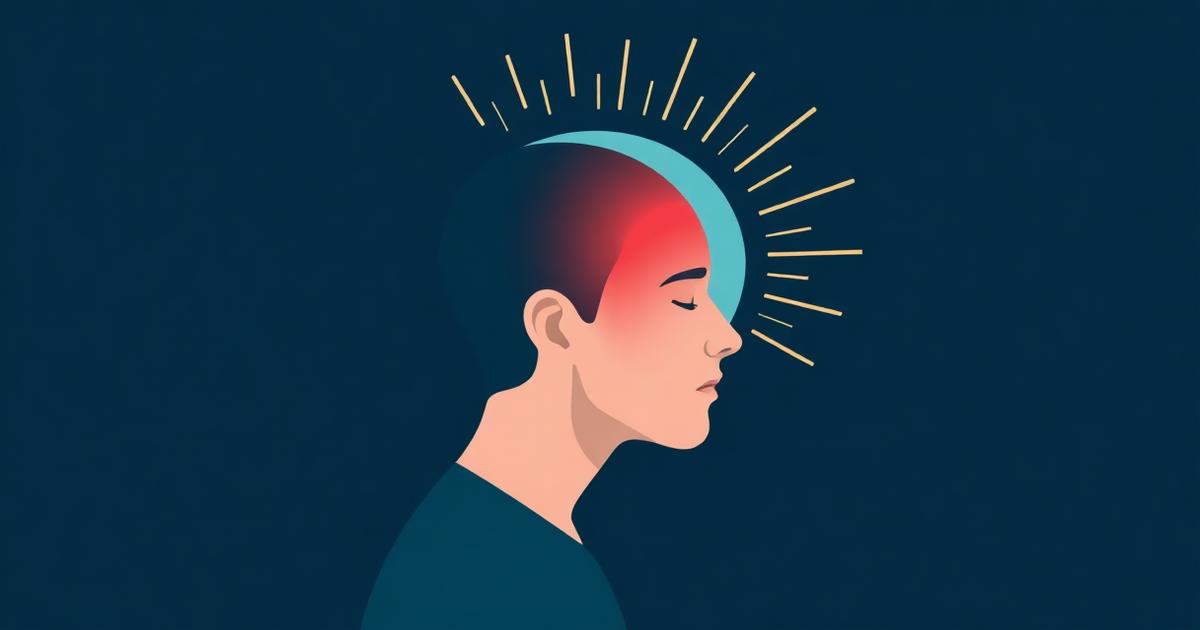
Migraine affects roughly one in seven people and is one of the leading causes of disability worldwide. Most patients rely on painkillers alone — but with the right evaluation, migraine is highly manageable.
Common triggers
- Skipped meals and dehydration
- Poor or irregular sleep
- Stress — and, paradoxically, the relaxation after stress
- Bright light, loud sound, strong smells
- Hormonal changes around menstruation
- Aged cheese, red wine, MSG, processed meats (varies by person)
The migraine diary
For 4–6 weeks, note the date, time, duration and severity of each attack, along with sleep, meals, stress and menstrual cycle. Patterns emerge quickly and guide both lifestyle changes and prescription strategy.
When preventive therapy is needed
If you have 4 or more headache days a month, or if attacks disable you even less often, preventive medication is indicated. Modern options include beta-blockers, topiramate, CGRP inhibitors and Botox for chronic migraine — chosen based on your profile.
Not a substitute for medical advice
This article is for education only. For a diagnosis or treatment plan tailored to your case, please book a consultation with Dr. Ankush Sharma.